Yeast, Ritual and the Mash Tun: Ancient Egyptian Brewing in British Craft Beer
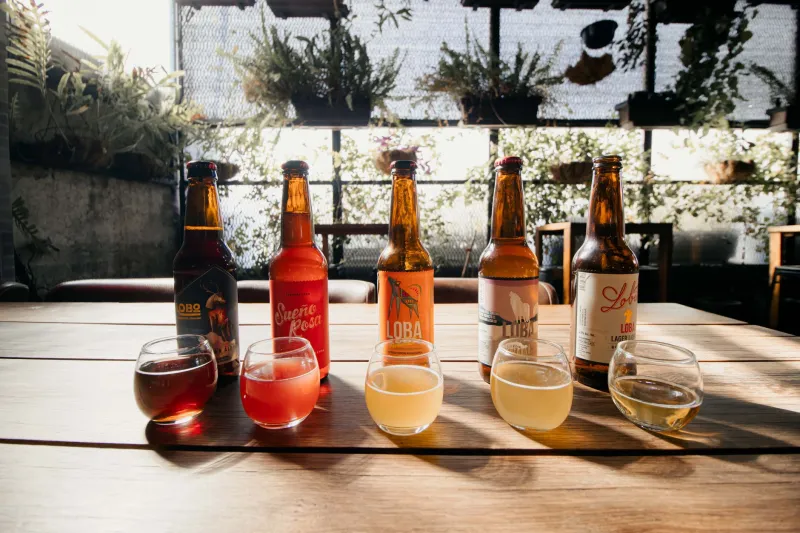
Ancient Egyptian beer is having a quiet moment in British craft brewing. It is not yet a category in the way that hazy pale ale or pastry stout is a category, but a small number of UK breweries have released beers described as Egyptian-inspired, often using emmer wheat, date sugar, open fermentation or a deliberately sour, low-hopped profile. The appeal is obvious: an ancient staple, a tomb model, a residue-smeared jar and a story that sells. The difficulty is that the story is often more confident than the evidence.
The Evidence in the Jar
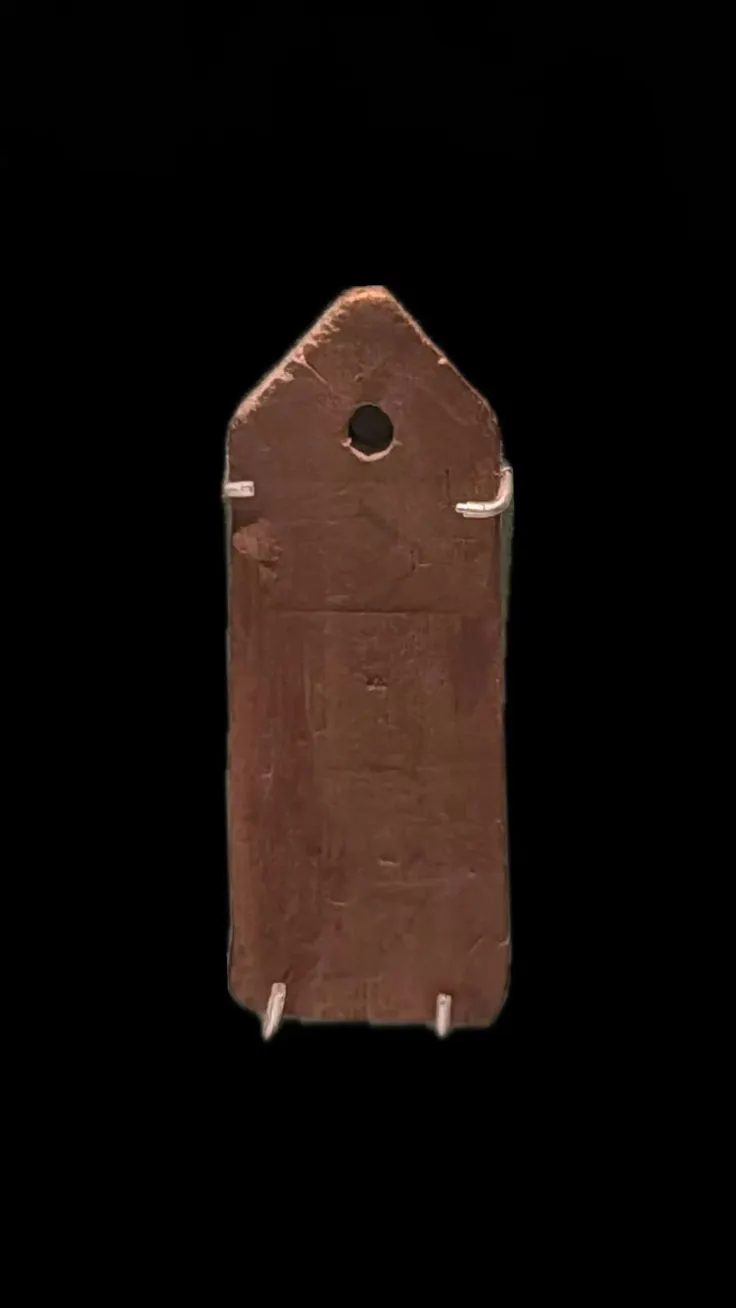
The archaeological record for Egyptian brewing is substantial but not simple. Tomb models from the Middle Kingdom, including the well-known models from the tomb of Meketre, show brewing and baking as linked activities. Temple records and administrative texts mention beer among offerings and rations. Workers at Deir el-Medina received beer as part of their pay, and brewing appears in medical and ritual contexts. Residue analysis of pottery has added chemical and microscopic evidence for fermented cereal beverages at sites such as Hierakonpolis and Amarna.
What this evidence does not provide is a single modern recipe. Egyptian beer was probably made from emmer wheat and barley, sometimes with added flavourings such as dates, honey or spices. It may have been produced through a bread-beer process, with partially baked loaves or bappir-like cereal preparations soaked and fermented. It was almost certainly not hopped in the modern sense. It was likely cloudy, variable and often sour. The yeast was whatever the environment supplied, and the vessels were open or loosely covered.
That is a useful starting point for experimental archaeology. It is not a licence to print ‘authentic ancient Egyptian beer’ on a label.
From Tomb Model to Mash Tun
British brewers who have experimented with these ideas tend to begin with the grain. Emmer is available in small quantities from specialist maltsters, though it behaves differently from modern barley. Its husks can cause lautering problems, and its protein content can make clarification difficult. Some brewers use a proportion of emmer alongside barley; others rely on wheat malt and date syrup to approximate the fermentable profile. Kettle souring or mixed fermentation can produce the tartness that many interpretations of Egyptian beer assume, while low carbonation and low bitterness move the beer away from modern craft norms.
The results are often interesting precisely because they are not easy drinking in the contemporary sense. A sour, grainy, lightly carbonated beer served in a small measure can feel closer to a historical reconstruction than a hop-forward ale with a hieroglyph on the pump clip. But the brewer is still making choices. Which grain? Which yeast? Which level of acidity? Which flavouring? Those choices are interpretation, not excavation.
Some breweries have worked with museums, universities or experimental archaeologists. Others have built their recipes from secondary sources and public summaries. Both approaches can produce good beer, but they carry different obligations. A brewery that invokes a tomb model or a temple record should be able to say what it is actually drawing on and what it has invented.
The Problem with Pharaoh’s Ale
The marketing is where the ethical questions sharpen. ‘Pharaoh’s ale’ is a phrase that reduces a complex civilisation to a brand. It trades on exoticism while usually saying little about the people who brewed, drank and served the beer. Egyptian brewing was not a royal novelty; it was a staple industry bound up with agriculture, taxation, religion and labour. A label that turns that into a costumed gimmick may sell pints, but it also flattens Kemet into a backdrop.
There is a difference between inspiration and extraction. British brewers have every right to experiment with ancient grains and fermentation. They do not have an automatic right to present their experiments as authentic, or to use Egyptian heritage as a decorative skin without engaging Egyptian scholarship and Egyptian voices. The problem is not that ancient Egyptian beer is being brewed in Britain. It is that the marketing often outruns the evidence and the credit.
A more honest approach would be relatively simple. Brewers could publish a short account of their sources and process. They could avoid the word ‘authentic’ unless they can define what it means. They could name the archaeological sites, museums or researchers whose work informed the beer. They could commission interpretation that treats Kemet as a living field of study rather than a mood board. And they could resist hieroglyph-style fonts that resemble neither Egyptian script nor good design.
A More Honest Pint
There is also a public health dimension. ‘Ancient’ does not mean wholesome. Some marketing implies that a pre-modern beer is more natural or more easily digested than a modern one. That is not a claim the evidence supports. Alcohol is alcohol, and the UK’s drinking guidelines apply to pharaoh’s ale as much as to any other. Brewers should not use antiquity to soften the message.
None of this means the experiments should stop. On the contrary, they are a useful way to make archaeological evidence tangible. A drinker who tastes a sour, grainy beer and then learns about emmer, open fermentation and workers’ rations has travelled further than a museum label might take them. The task is to make that journey honest.
Ancient Egyptian beer can teach British craft brewers about grain, fermentation and the limits of reconstruction. It can also teach them about responsibility. The best versions of this small trend will be those that treat Kemet as more than a name on a bottle, and that let the archaeology, rather than the marketing department, set the terms.