The Unveiled Audience: Victorian Mummy Unwrappings and the Ethics We Still Inherit
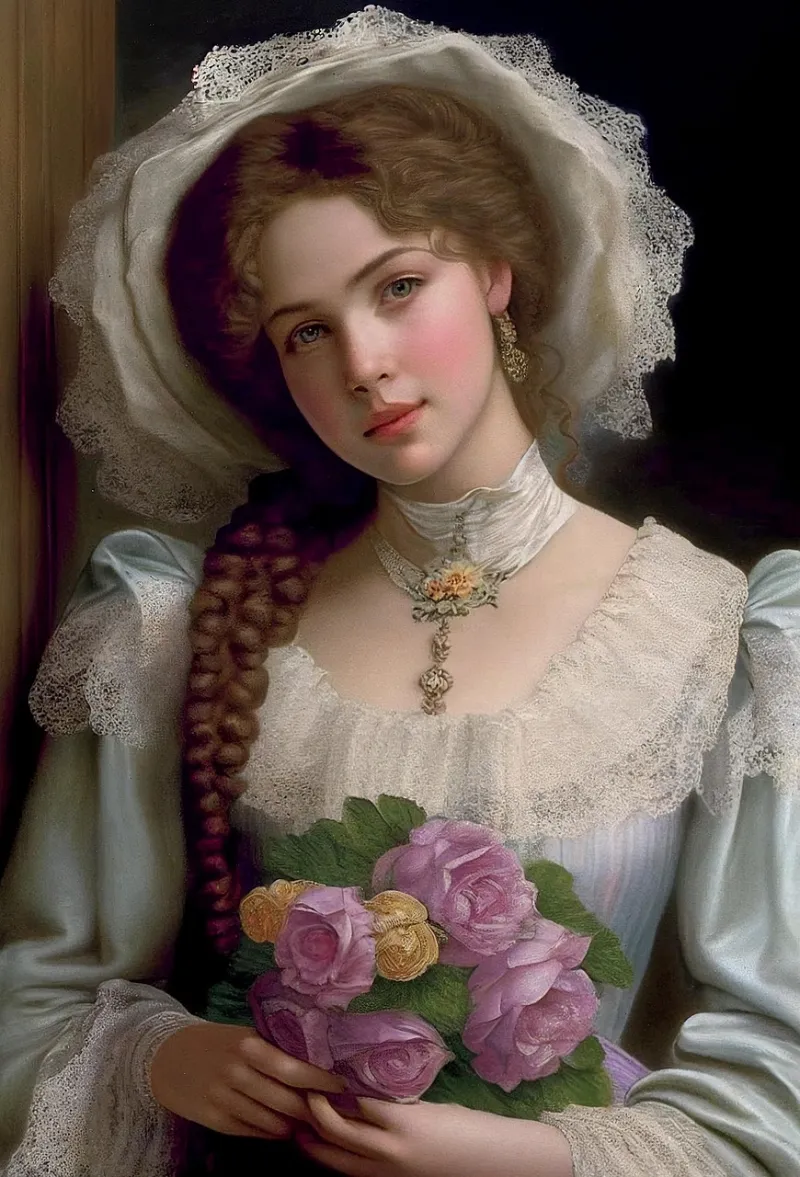
Photo: Victorian mummy unwrapping illustration Egyptology archive, via cdn.pixabay.com
Few Victorian entertainments are as unnerving to a modern audience as the public unwrapping of an Egyptian mummy. In the 1830s and 1840s, before Egyptology had settled into university departments and museum storerooms, such events took place before learned societies, medical audiences and fee-paying guests in London and provincial cities. The surgeon Thomas Pettigrew, nicknamed Mummy Pettigrew, became a fixture of this world, combining antiquarian curiosity with a showman's sense of timing. Newspapers reported the revelations layer by layer: bandages, amulets, resin, a body that had once been someone's kin. The mummy was at once an object of science, a souvenir of empire and a theatrical prop.
That combination is the source of the discomfort. It is also the reason the Victorian unwrapping remains useful to think with in 2026. The practice has gone, but the questions it raises have not. Who is allowed to examine a human body? What does an audience gain from watching? When does research become spectacle? And what should a UK museum, or a UK visitor, do with a collection formed in that atmosphere?
A drawing-room anatomy lesson
The Victorian mummy party was not a single, uniform ritual. Some unwrappings were organised by medical men interested in anatomy, embalming techniques and the material culture wrapped around the body. Others were more obviously commercial, staged for mixed audiences in private houses or hired rooms. The line between a scholarly meeting and an evening's entertainment was often thin, and participants seem to have moved across it without much embarrassment.
This matters because the spectacle helped to normalise a particular relationship with Egyptian remains. The mummy could be handled, divided, described and displayed. Its bandages could be cut away in public. Its body could be treated as a text to be read aloud by an expert. That grammar of revelation was powerful, and it fed the growth of private collections and early comparative studies. Knowledge was produced, but so was a habit of entitlement.
What the spectacle made possible
It would be too simple to say that Victorian unwrappings produced only harm. They generated observations about embalming, coffins, amulets and chronology that fed early Egyptology in Britain. They encouraged public interest in Kemet at a time when travel to Egypt was difficult and expensive. They also created networks of collectors, surgeons and scholars whose papers and objects later entered museums.
The problem is that knowledge and spectacle were entangled. The audience was invited to see a person as an object of discovery. The body was often discussed in the language of layers and contents, as if it were a parcel from antiquity. Modern Egyptology has become more careful, but it has not escaped that inheritance entirely. Museum displays still make choices about whether a mummy is presented as a person, a specimen, a witness or an attraction. Those choices are not neutral, even when the label is scholarly.
The uneasy afterlife in UK museums
Most UK museums that hold Egyptian human remains now have policies on their care and display. National guidance published in 2005 encouraged institutions to treat human remains with respect, to consider the views of originating communities and to be transparent about their holdings. Many museums have gone further, removing bodies from public view or presenting them with explicit interpretation about how they were acquired.
Yet practice remains uneven. Some displays still lean on the thrill of the opened coffin. Others avoid the body altogether and, in doing so, can make the history of collection disappear. Neither approach is entirely satisfactory. The Victorian party is over, but its set has not been fully struck. A 2026 visitor is entitled to ask what they are looking at, why it is there and who decided that this was the right way to show it.
Consent, context and the 2026 visitor
Consent is not a simple test when the dead are ancient and the living are dispersed. The dead cannot consent, and modern legal frameworks designed for medical tissue do not map neatly onto ancient remains. Ancient Egyptian beliefs about the afterlife are relevant, but they cannot be treated as a straightforward substitute for contemporary ethical consent. Descendant communities, Egyptian authorities, scholars and museums all have legitimate interests, and those interests do not always align.
What can be demanded is transparency. UK institutions should publish clear information about provenance, acquisition and display rationale. They should explain why a body is shown, what interpretation accompanies it and what alternatives exist. They should consult Egyptian colleagues as partners rather than as recipients of notification. They should also resist marketing that turns human remains into a sensation. The point is not to make museums bloodless, but to make them honest.
For audiences, the useful response is neither reflexive outrage nor passive acceptance. Visitors can ask questions of labels, curators and trustees. They can support displays that treat Egyptian people as people rather than as props in a British story. They can accept that discomfort is sometimes the beginning of better understanding, not a reason to look away.
An inheritance worth examining
The Victorians did not invent curiosity about the dead, but they industrialised its display. We inherit their collections, their categories and their confidence. We also inherit the possibility of doing better. The responsible response in 2026 is not to pretend that the drawing-room unwrapping never happened, nor to treat every display of human remains as an act of violence. It is to make the inheritance explicit, to ask who benefits from it and to insist that care comes before spectacle. That is a more demanding legacy than a mummy party, and a more useful one.