The Name on the Wall: Should Britain's Museums Say Kemet?
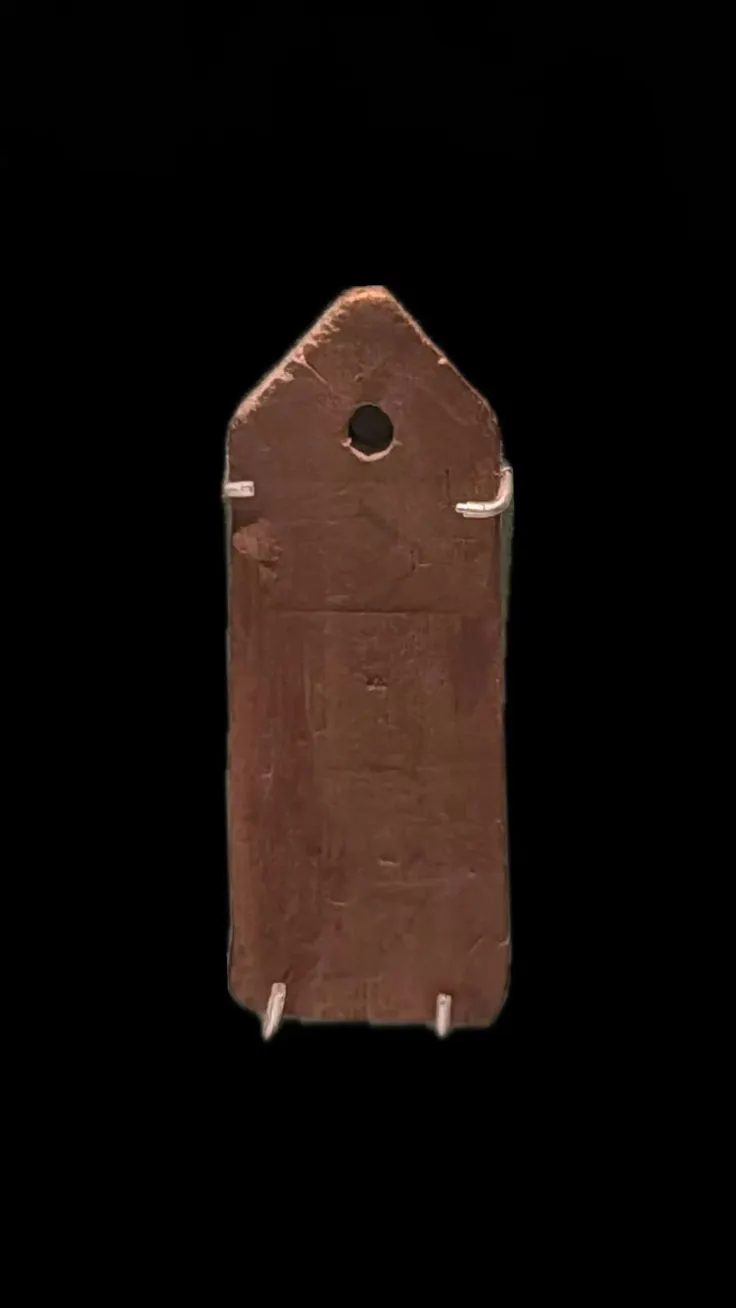
Photo: SpeakingArch, CC BY-SA 4.0, via Wikimedia Commons
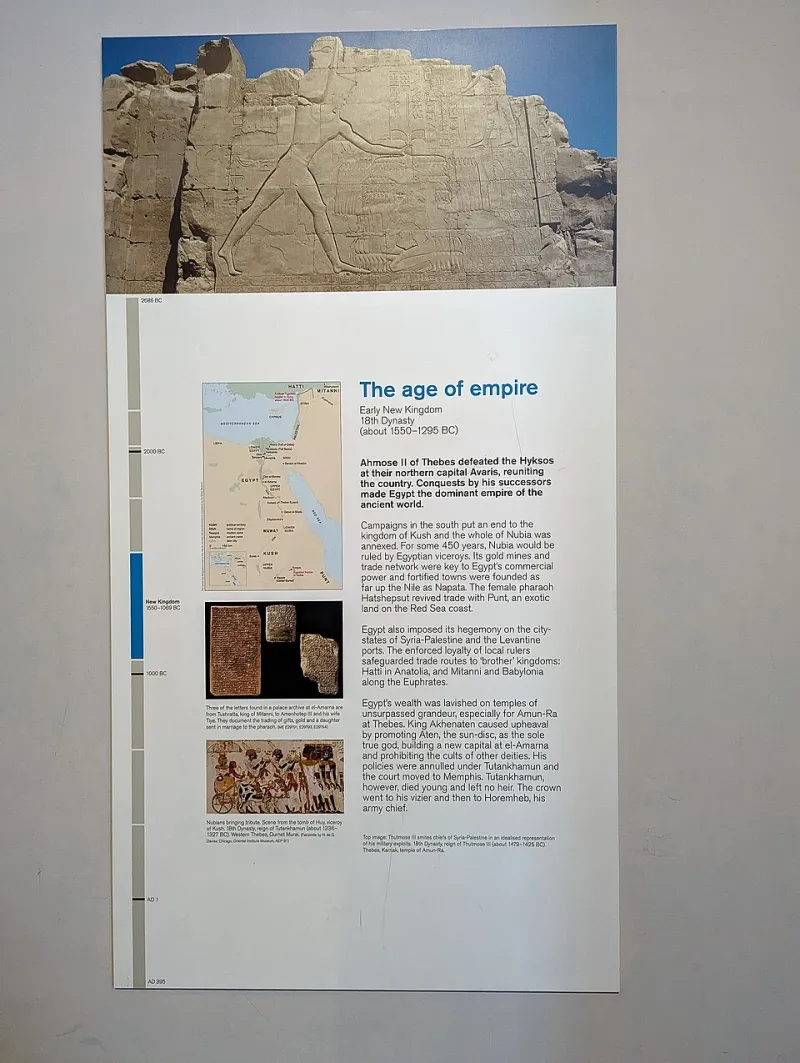
Walk into almost any gallery of ancient Egyptian material in Britain and the wall text will tell you precisely what you are looking at. Granite. Dynasty. Provenance. Date range. And then, in slightly larger type, the word that frames all of it: Egyptian.
That word is not wrong. It is, however, a choice, and one that a growing number of curators, teachers, community groups and ordinary visitors are asking British institutions to revisit. The ancient name for the country was Kemet, conventionally rendered as 'the black land', a reference to the dark fertile silt deposited by the Nile flood. Its inhabitants spoke of themselves as rem en Kemet, people of Kemet. The Greek Aigyptos, and every European word downstream of it, arrived considerably later.
What the labels actually say
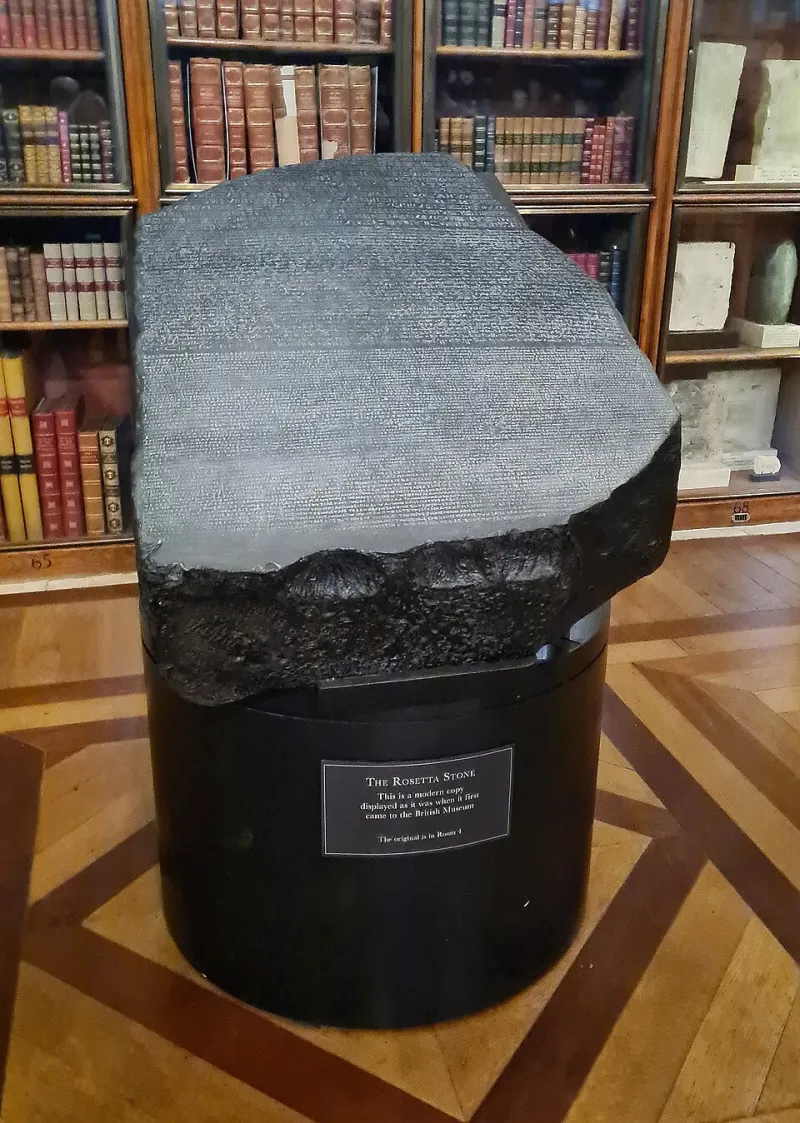
A scan of gallery text in national, university and municipal collections this year finds the same pattern almost everywhere. The British Museum's displays sit within a department named for Egypt and Sudan; the Petrie Museum at UCL, the Ashmolean, National Museums Scotland, the World Museum in Liverpool, Bolton, Harrogate and dozens of smaller services all describe their holdings as Egyptian. Kemet appears, if it appears at all, as a parenthetical curiosity in an introductory panel, or as an object name in a specialist catalogue.
That is a defensible curatorial convention. It is also an inherited one, and inheritance is precisely what a museum is expected to interrogate rather than simply reproduce.
The argument for Kemet
The case begins with distance. 'Egypt' carries two millennia of European usage, and with it a great deal of accumulated assumption, including the persistent popular notion that ancient Egypt was somehow culturally detached from the African continent on which it sits. Adding Kemet to gallery text does not create that connection; it restores a name that the culture used for itself, and it gives curators a neutral way to signal that the civilisation understood its own identity in terms we have spent centuries talking over.
There is a practical argument too. Visitors who encounter a single explanatory sentence about Kemet tend to ask better questions: about language, about continuity, about who today claims the inheritance. A label that only ever repeats the Greek term forecloses those questions before they are formed.
The argument for caution
None of this is straightforward, and institutions that treat it as a simple swap will get it wrong.
Kemet is not a perfect synonym. It denotes the land, specifically the cultivable land, and its use as a name for the state and people varied across three thousand years. Adopting it wholesale can imply a uniformity the evidence does not support. Modern Egyptian Arabic gives the country as Miṣr, and Coptic preserves a related Kēme; contemporary Egyptians have their own relationship to the ancient past, and their views deserve weight rather than being treated as an obstacle. There is also a real risk of substituting one anachronism for another, particularly when the term is pressed into arguments about race and identity that the ancient sources will not settle.
Then there is the mundane obstacle: labels cost money. A single gallery refresh may involve hundreds of captions, audio guides, schools packs, catalogue records and website metadata. Terminology changes are usually unfunded.
A framework for institutions
For museums now weighing the question, five tests are worth applying.
Pair, do not replace. Lead with the term that visitors will search for, and introduce Kemet immediately alongside it. The first panel is the right place for the pairing, not the eightieth caption.
Explain in one sentence. Etymology without context is decoration. A single line stating that Kemet was the ancient name for the land, and that 'Egypt' derives from Greek, does more work than a paragraph of theory.
Keep the access terms. Searchability is a public good. Retaining 'Egyptian' in catalogue records, finding aids and digital metadata is not a concession to the old vocabulary; it is how a reader finds the object at all.
Consult before drafting. Egyptian scholars, archaeologists working in the field, Coptic and Arabic speakers, and Britain's Egyptian diaspora communities should be in the room early. So should local teachers, who can say what actually lands in a classroom.
Audit the whole estate. Labels are the visible tenth. The rest sits in the database, the audio tour, the family trail, the loan agreement and the press release. Inconsistent terminology across those layers reads as carelessness.
What a visitor can do
Most of the pressure for this work comes from below. Visitors who write to a museum's enquiries address, or fill in a comment card with a specific, courteous suggestion about a specific panel, create a record that curators can cite when the next funding bid is drafted. Vague dissatisfaction is easy to discount; a named case is not.
The stakes are modest, and they are not
No label change will repair anything by itself. The naming of a gallery does not return an object, fund an excavation or settle a repatriation claim, and it would be dishonest to suggest otherwise.
What it does do is small and cumulative. It tells a reader that the people who built the thing in front of them had a name for their own country, and that the museum knows it. In a gallery where so much has been translated, catalogued and explained on the visitor's behalf, that is a modest act of accuracy, and British institutions can afford accuracy.