Sons of Kemet Ancient Egypt, unearthed for modern minds

Sons of Kemet

Ancient Egypt, unearthed for modern minds

Latest Articles

The Olfactory Archive: Rebuilding Kemet's Incense in British Laboratories
Conservation

The Olfactory Archive: Rebuilding Kemet's Incense in British Laboratories

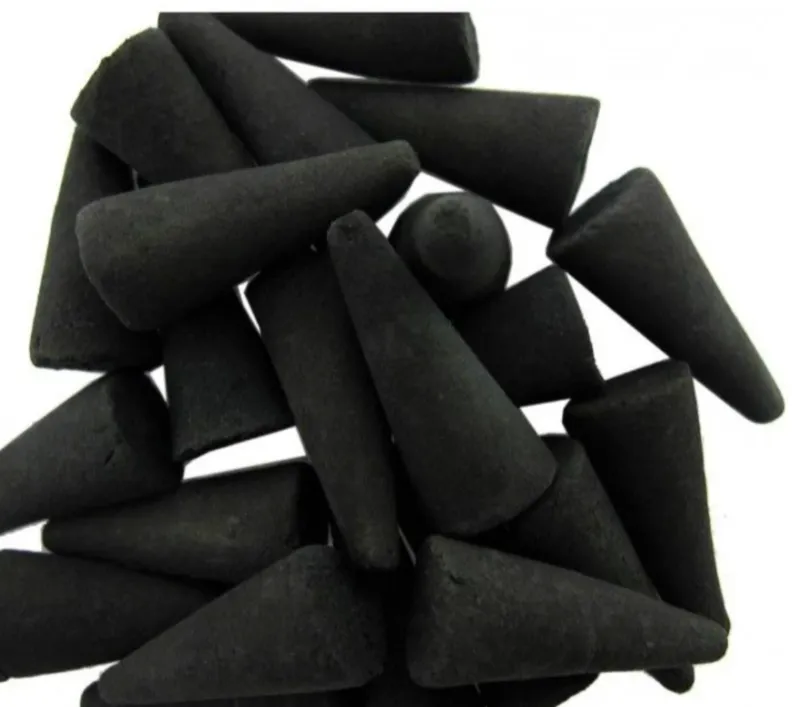
Across Britain, conservation scientists, archaeobotanists and perfumers are attempting to rebuild the incense once burned in Egyptian temples, working from residues trapped in vessels and tomb assemblages. Their reconstructions raise difficult questions about trade, ritual and whether a smell can be displayed without being invented in 2026.

A Blue That Outlasts Its World: Egyptian Blue in British Conservation Science
Conservation

A Blue That Outlasts Its World: Egyptian Blue in British Conservation Science

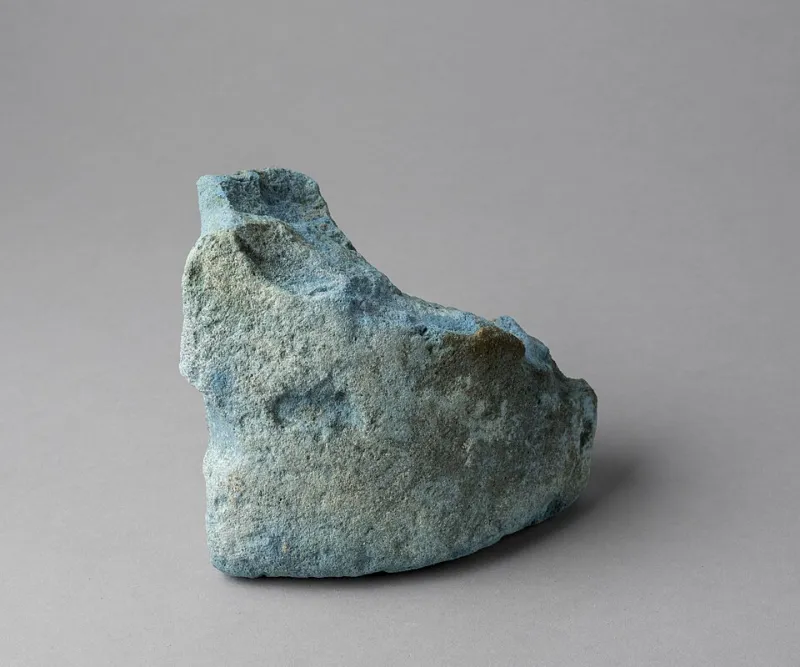
Egyptian blue was made, not mined, and British conservation laboratories are still learning from its chemistry. In 2026, imaging, analysis and careful reconstruction are turning an ancient pigment into a modern research subject — and a test of how collections, craft and science can work together.

Yeast, Ritual and the Mash Tun: Ancient Egyptian Brewing in British Craft Beer
Opinion

Yeast, Ritual and the Mash Tun: Ancient Egyptian Brewing in British Craft Beer

A small number of UK breweries are drawing on archaeological evidence to make beers inspired by ancient Egyptian brewing. The results can be genuinely instructive, but the marketing of ‘pharaoh’s ale’ raises awkward questions about evidence, cultural ownership and the limits of experimental archaeology.

Guardians in Stone: The Egyptian Revival Graves Britain Has Yet to Record
Conservation

Guardians in Stone: The Egyptian Revival Graves Britain Has Yet to Record

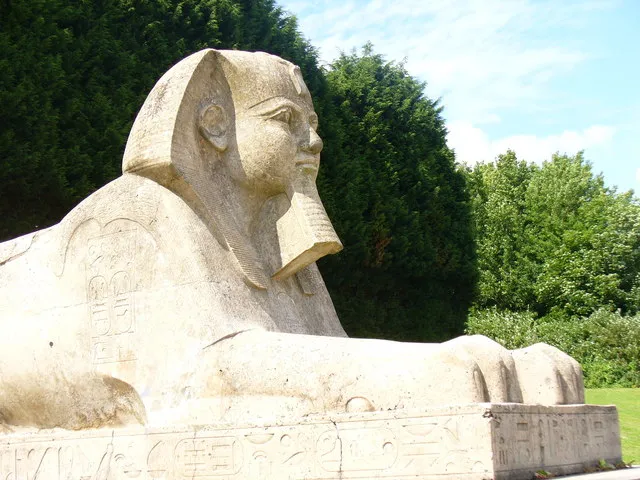
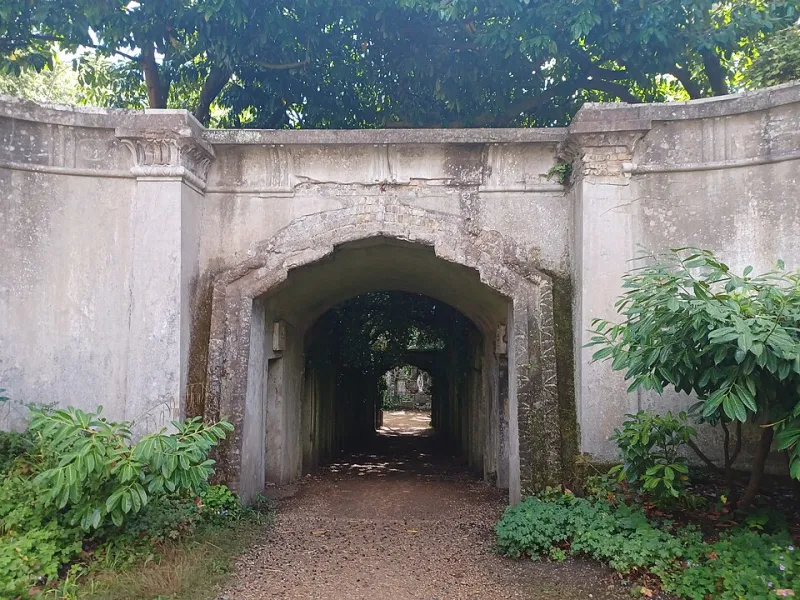
Obelisks, winged sun disks and occasional sphinxes survive in British cemeteries as quiet monuments to Victorian Egyptomania. They are also among the least documented and most vulnerable elements of the funerary heritage sector. This field guide and conservation audit asks why these stones remain outside so many local histories.

The Cost of Keeping Time: Egypt’s Organic Past in Britain’s Climate-Controlled Stores
Conservation

The Cost of Keeping Time: Egypt’s Organic Past in Britain’s Climate-Controlled Stores

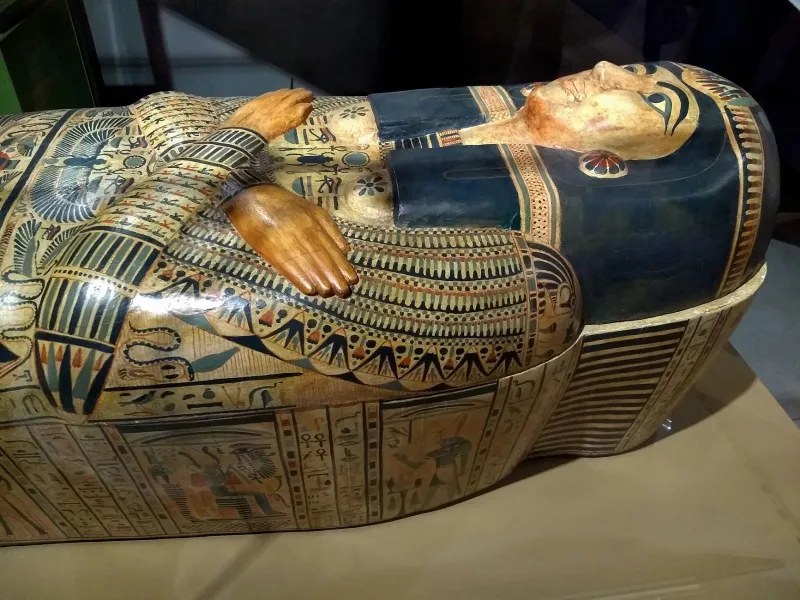
Britain’s Egyptian coffins, textiles and papyri depend on carefully controlled storage and display conditions. In 2026, as energy costs and net-zero commitments press on museum budgets, the question is whether those conditions can be sustained without treating preservation or sustainability as a simple choice.

Hands That Drew the Tombs: British Women and the Making of Egyptology
Opinion

Hands That Drew the Tombs: British Women and the Making of Egyptology

From Amelia Edwards to Barbara Adams, British women shaped Egyptology through excavation, illustration, curation and institutional groundwork. Recovering their contributions also means reckoning with the imperial networks and museum structures they worked within.

The Name on the Wall: Should Britain's Museums Say Kemet?
Opinion

The Name on the Wall: Should Britain's Museums Say Kemet?

British galleries still frame ancient Egyptian material almost entirely under a Greek-derived label. This piece examines what 'Kemet' would change for visitors, why curators hesitate, and sets out a practical five-point framework for institutions reviewing their terminology in 2026.

Stones of Whim: A Traveller's Guide to Britain's Egyptian Follies
Heritage Travel

Stones of Whim: A Traveller's Guide to Britain's Egyptian Follies

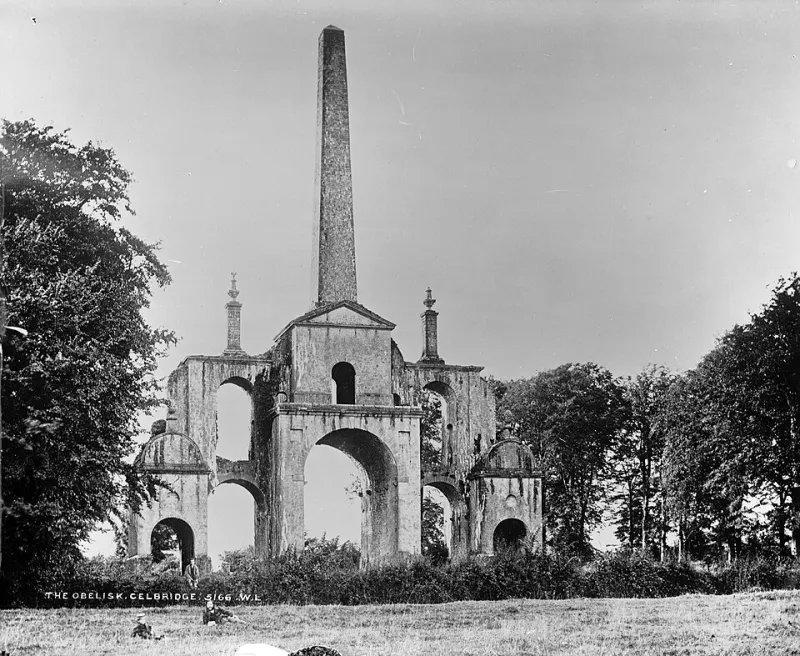
Scattered across churchyards, country estates and seaside streets, Britain's Egyptian-style follies are stranger and more revealing than they look. This guide maps a handful of the best, explains the Georgian and Victorian appetites that produced them, and suggests how to visit them well in 2026.

The Needle by the Tideway: London’s Obelisk and the Test of Outdoor Stewardship in 2026
Heritage Travel

The Needle by the Tideway: London’s Obelisk and the Test of Outdoor Stewardship in 2026

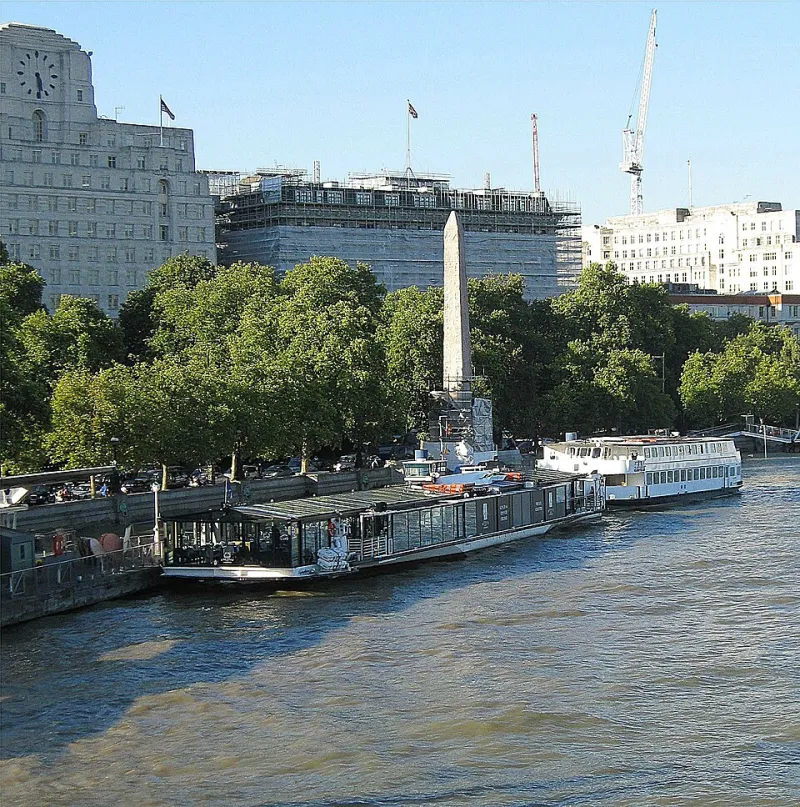
Cleopatra’s Needle on the Victoria Embankment is an Egyptian monument living in London’s open air, exposed to traffic, river humidity and the capital’s changing climate. A 2026 condition review offers a chance to ask what long-term care for outdoor Egyptian heritage should actually mean.

The Unveiled Audience: Victorian Mummy Unwrappings and the Ethics We Still Inherit
Opinion

The Unveiled Audience: Victorian Mummy Unwrappings and the Ethics We Still Inherit

Victorian public mummy unwrappings were both scientific demonstrations and drawing-room spectacles, and their legacy is still felt in UK museum practice. In 2026, the uncomfortable inheritance demands neither amnesia nor paralysis, but a more candid conversation about consent, context and display.

Stone Guardians of the Suburbs: Finding Egypt in British Streets
Heritage Travel

Stone Guardians of the Suburbs: Finding Egypt in British Streets

Egyptian Revival architecture rarely announces itself as a single style. This field guide traces its odd survivals in cemeteries, cinemas, mills and suburban mausoleums, explains how ancient Kemet became a British architectural language, and suggests a practical weekend for spotting it locally.

After the Universal Museum: Britain's Egyptian Collections and the Return of Kemet
Opinion

After the Universal Museum: Britain's Egyptian Collections and the Return of Kemet

Repatriation debates are reshaping UK museums in 2026, but Egyptian claims are not simply another Benin or Parthenon case. This opinion-led analysis asks what a credible British restitution policy for ancient Egyptian objects would require — and why the universal museum defence is becoming harder to sustain at home.

Kemet in the Provinces: Five UK Museums with Unexpected Egyptian Collections
Heritage Travel

Kemet in the Provinces: Five UK Museums with Unexpected Egyptian Collections

Britain's Egyptian collections are not confined to London. From Bolton to Bristol, regional museums hold mummies, coffins and excavation archives that reveal how Victorian Egyptomania shaped local heritage—and why these cabinets of Kemet matter in 2026.

A Loan of Consequence: The Rosetta Stone and the Case for 2026
Opinion

A Loan of Consequence: The Rosetta Stone and the Case for 2026

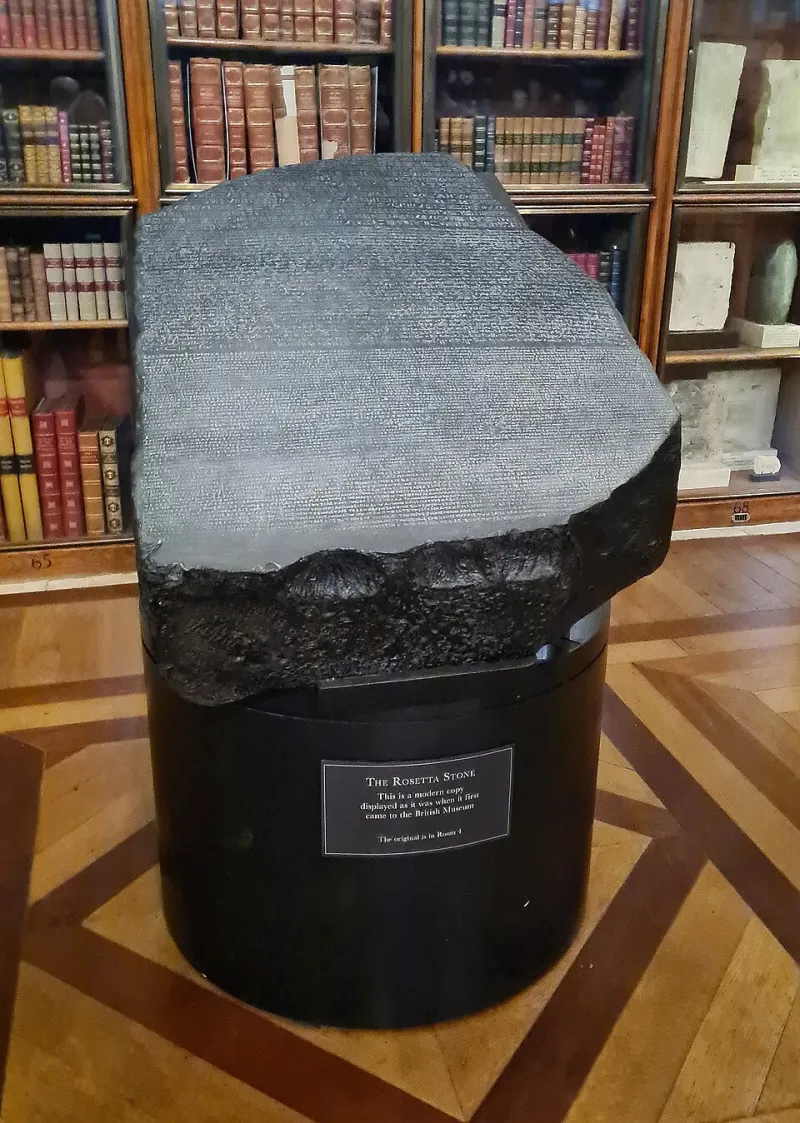
The British Museum should send the Rosetta Stone to Egypt on a time-limited loan in 2026. A temporary return would not settle the restitution debate, but it would test whether cultural diplomacy can move beyond stalemate and public posturing.