A Loan of Consequence: The Rosetta Stone and the Case for 2026
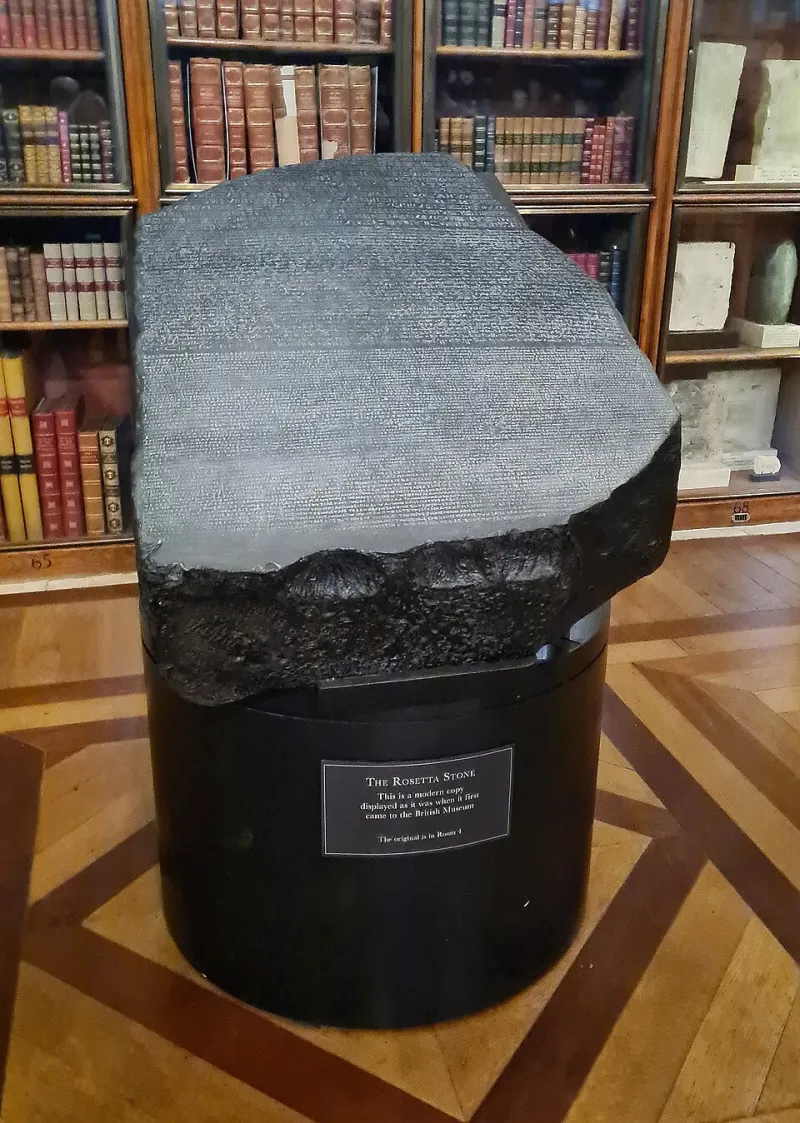
Photo: Ji-Elle, CC BY-SA 4.0, via Wikimedia Commons
The Rosetta Stone is not merely a celebrated object in the British Museum; it is one of the most legible symbols of how nineteenth-century Europe read, and misread, ancient Egypt. In 2026, a temporary loan to Egypt would be a measured act of cultural diplomacy: not a surrender of title, nor a final answer to restitution, but a practical test of whether the UK can treat contested heritage with confidence rather than defensiveness.
The object and the argument
Carved in 196 BC, the stone records a decree from Memphis in three scripts: Egyptian hieroglyphs, Demotic and Greek. Its acquisition by the British Museum in 1802 followed the Napoleonic campaign in Egypt, and its later role in the decipherment of hieroglyphs made it an object of global scholarly importance. That history explains both its fame and its contested status. The stone is not simply an antiquity with a British museum number; it is a document of Egyptian priestly authority that became a European intellectual trophy.
The case for a loan rests on a distinction that is often lost in heated argument. A loan is not a restitution claim. It does not require the British Museum to abandon its legal position, and it does not ask trustees to concede ownership. It asks them to act as custodians of a shared inheritance rather than as gatekeepers of a national collection. The museum already lends objects; the question is whether it will lend this object, to this claimant, at this moment.
Why 2026 matters
The current year offers a useful opening. Cultural diplomacy is most effective when it is visible, time-limited and reciprocal. A loan to Egypt in 2026 would allow British audiences to see the stone as part of a living Egyptian heritage, not only as a prize of colonial-era collecting. It would also give Egyptian audiences access to an object that carries immense national and regional significance. Such a loan would need rigorous condition reporting, secure transport, environmental controls and a clear conservation agreement. Those are practical hurdles, not insurmountable ones.
The British Museum has long defended its universal collection by arguing that objects from many cultures can be studied side by side in London. That argument has value, but it is weakened when it becomes an alibi for immobility. A loan would demonstrate that universality is not the same as permanence. It would allow the museum to say that its collection is not a fortress but a network of relationships.
The restitution debate
The wider debate over colonial-era collecting is not going away. Calls for the return of contested objects have grown across Europe, and UK museums are increasingly asked to explain not only what they hold but how they came to hold it. The Rosetta Stone is not the most legally straightforward case in that debate, but it is among the most symbolically potent. A loan would not resolve the underlying question of title, and it should not be presented as doing so. It could, however, build trust and create a precedent for co-operation.
Sceptics will argue that a loan rewards political pressure or sets a precedent that cannot be controlled. That concern deserves a serious answer. A time-limited loan with clear contractual terms, reciprocal scholarly access and joint public programming is precisely the kind of controlled precedent that museums should be able to manage. If the UK cannot lend an object to the country from which it came, under agreed conditions, the universal museum model looks less like a principle and more like a posture.
A test of public goodwill
British public opinion on restitution is not a monolith. Many visitors value the British Museum precisely because it allows them to encounter world cultures without travelling far. But that attachment need not be possessive. A loan would give British audiences a new story: not the story of how the stone was deciphered in Europe, but the story of how it belongs to a wider Egyptian inheritance. That is a more generous and more accurate account of Kemet than the one still printed on many gallery labels.
A loan would also be a test of public goodwill. It would require the museum to explain its decision openly, to address criticism without defensiveness and to show that cultural diplomacy is more than a press release. If the loan succeeds, it could become a template for other contested holdings. If it fails, the reasons will be instructive.
The case for sending it
In 2026, the British Museum should offer the Rosetta Stone on a time-limited loan to Egypt. The gesture would not end the restitution debate, and it should not be sold as a substitute for one. It would, however, be a loan of consequence: a practical acknowledgment that the stone's meaning is not confined to a London gallery, and that the UK's relationship with ancient Egypt is better served by exchange than by immobility.